

Histoire
Le patrimoine éclaire la voie à suivre.
UN BÂTIMENT CHARGÉ D’HISTOIRE
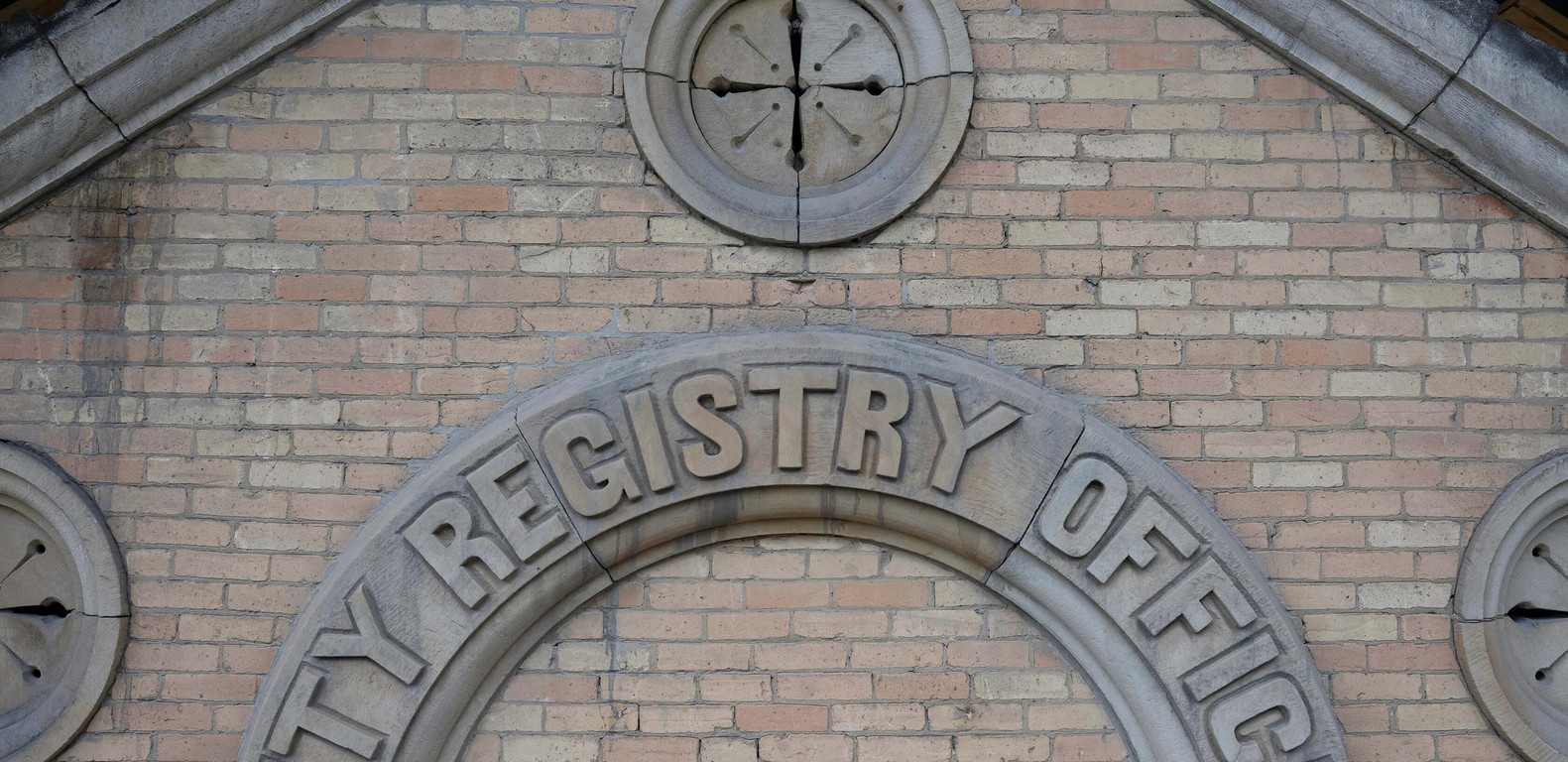
Il y a plus de 150 ans, le bureau d’enregistrement était un édifice emblématique de son époque. Modeste mais solide, ce bâtiment est un exemple classique de l’architecture Beaux-arts, qui met l’accent sur l’ordre, la dignité et l’harmonie. Le bureau d’enregistrement faisait partie du complexe judiciaire du XIXe siècle, qui comprenait le palais de justice du comté de Carleton, le bureau d’enregistrement et la prison. Le bureau d’enregistrement avait pour mission de conserver tous les documents officiels de la ville – actes de propriété, plans d’arpentage, hypothèques et titres fonciers – tout en offrant au public des services de recherche et de transcription. Bien que sa vocation ait évolué, l’esprit d’engagement civique et de service public reste gravé dans ses murs, tandis que son héritage architectural continue d’inspirer les générations futures.
Renaissance
Résurgence
Registry
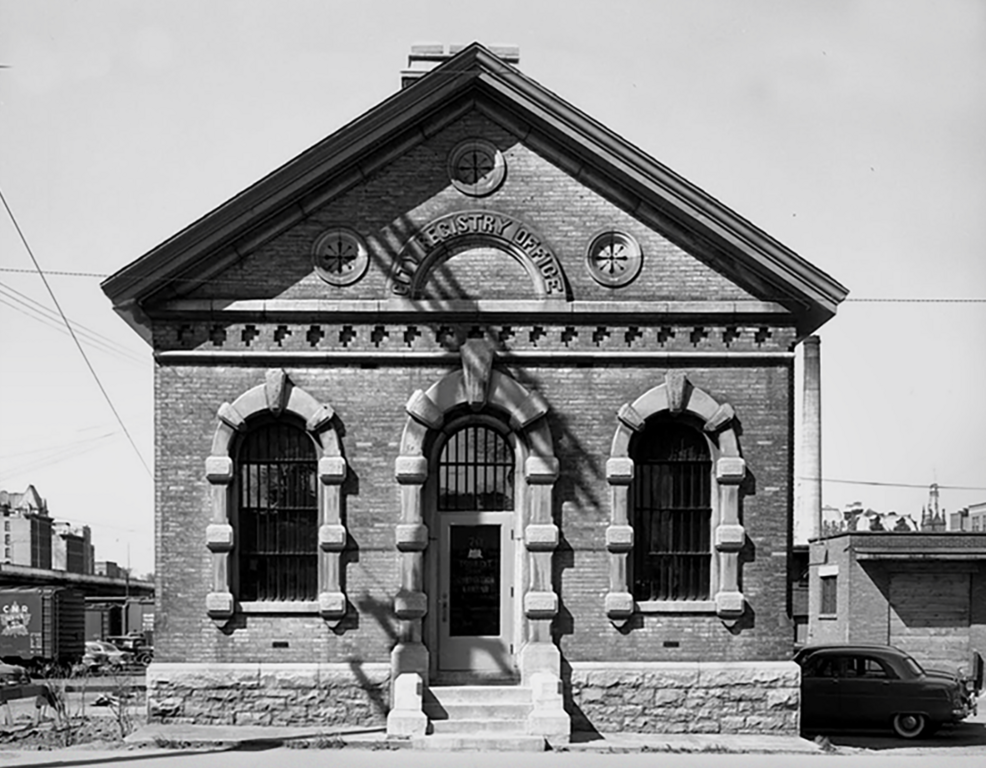
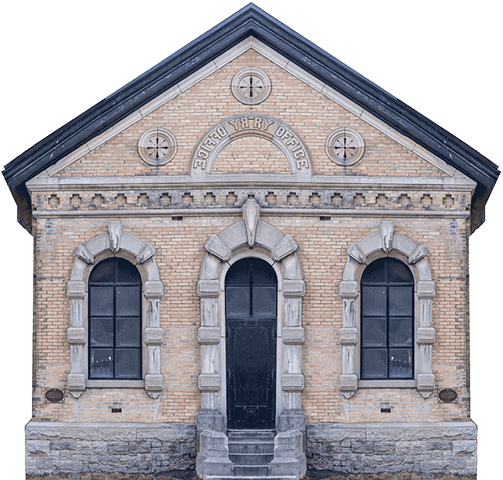
Cet ancien bâtiment est un magnifique exemple de bureau d’enregistrement du XIXe siècle et l’un des quatre seuls du genre restant en Ontario.
Construit pour durer, conçu pour inspirer.
L’architecture Beaux-arts se caractérise par la symétrie et l’ordre, les détails classiques et les ornements sculpturaux, à la fois théâtraux et formels.
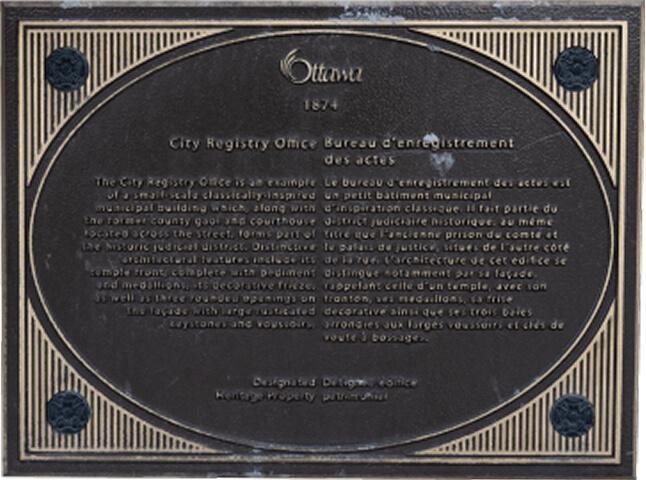
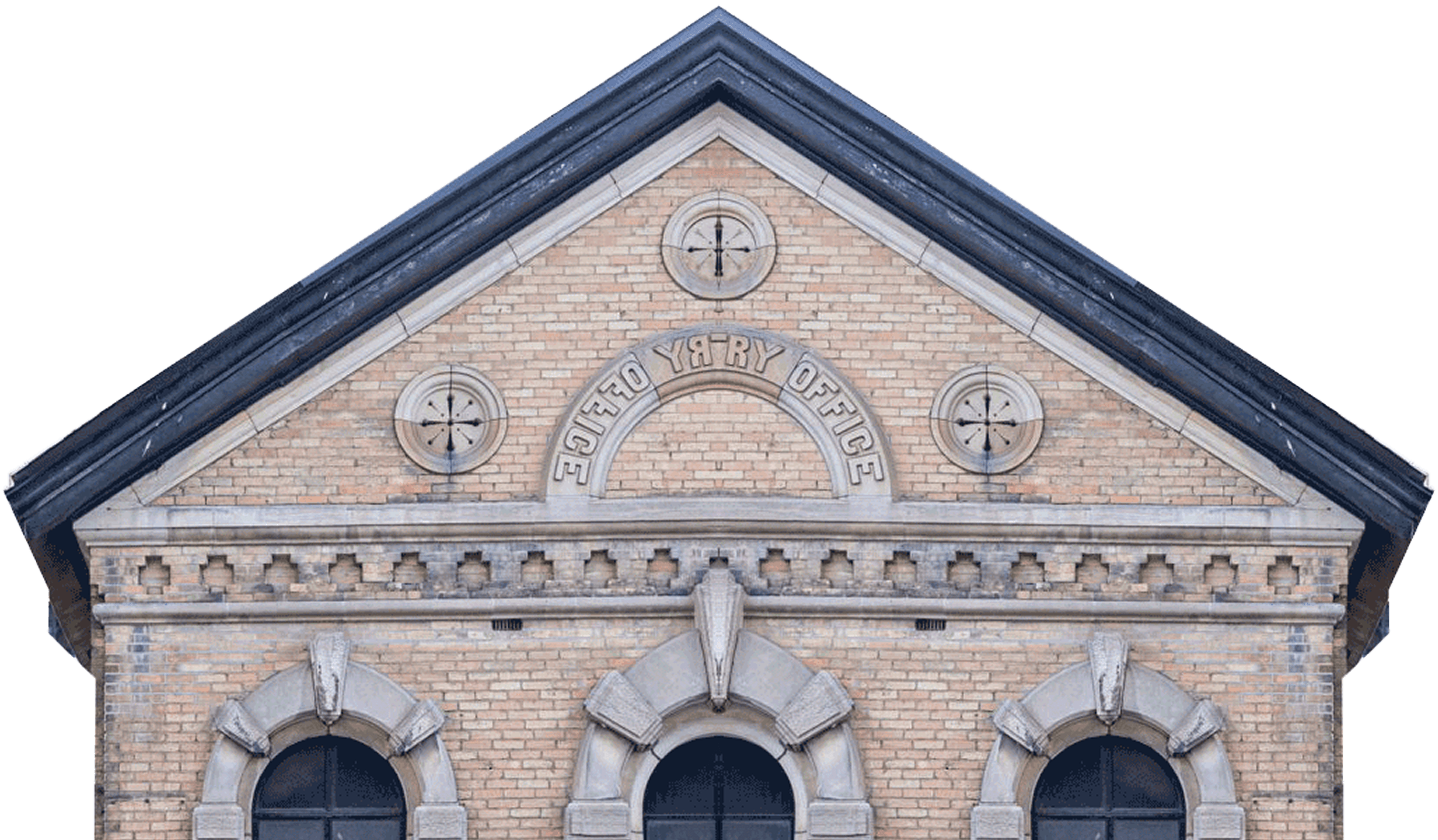
Les architectes expérimentés savent qu’une fondation solide est essentielle à la pérennité d’un projet. L’ancien bureau d’enregistrement reposait sur des fondations de près de 12 pieds de profondeur, non seulement pour assurer sa stabilité, mais aussi pour empêcher les voleurs de creuser des tunnels afin de dérober les documents relatifs aux terres. À l’extérieur, des briques couleur saumon doré se dressent sur une fondation en pierre, formant une structure classique aux allures de temple. Des éléments décoratifs tels que des fenêtres cintrées, des portes en arc aux rebords rustiques et une cheminée commune raffinée mettent en valeur toute la beauté fonctionnelle du style Beaux-arts. Une plaque nominative incurvée couronne la façade avant, posée sur un large rebord orné de petites ouvertures en forme de fleurs, tandis qu’une corniche en gradins, des moulures métalliques et des bords de toit repliés rehaussent le charme intemporel de l’immeuble. À l’intérieur, trois plafonds de briques en voûte définissent l’espace. Les portes en fer massif, les barreaux aux fenêtres et les volets servaient autrefois à protéger les documents du feu, tandis que les registres étaient rangés sur des caisses à roulettes fixées à des rails en fer.
circa
1873
Autrefois partie intégrante du district judiciaire d’Ottawa du XIXe siècle, ce bâtiment est aujourd’hui la porte d’entrée d’un quartier très prisé pour son art de vivre.
Après le déménagement du bureau d’enregistrement en 1909, le bâtiment a abrité le Musée historique de Bytown et d’Ottawa (1926-1951), le Centre touristique et des congrès d’Ottawa (1954-1966), puis d’autres locataires, notamment le Youth Drop-In Centre, les Services offerts aux nouveaux arrivants canadiens et la Fédération des associations civiques. En reconnaissance de sa valeur historique, le bureau d’enregistrement a été désigné bâtiment patrimonial en 1978. Après des années d’inoccupation, Cadillac Fairview a entamé sa restauration en 2013 dans le cadre de la revitalisation du Rideau Centre. Aujourd’hui, nous donnons vie à ce rêve.

Un seul mot suffit à résumer l'essence même de cette évolution : transformateur.
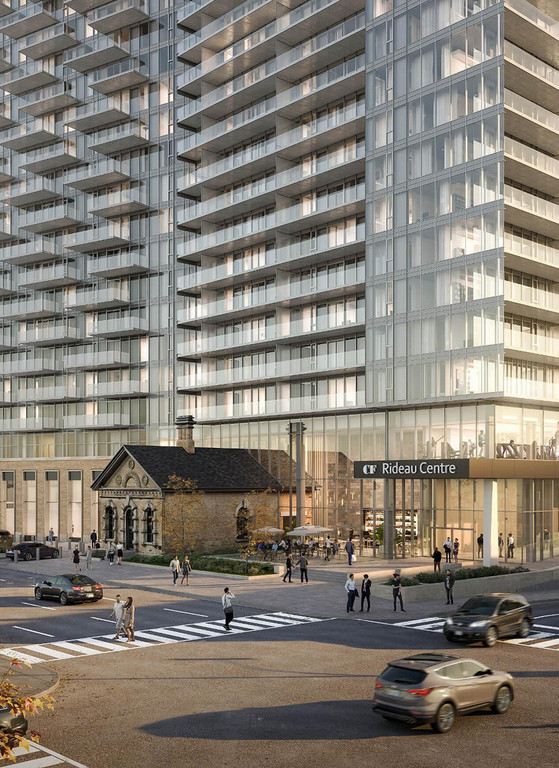
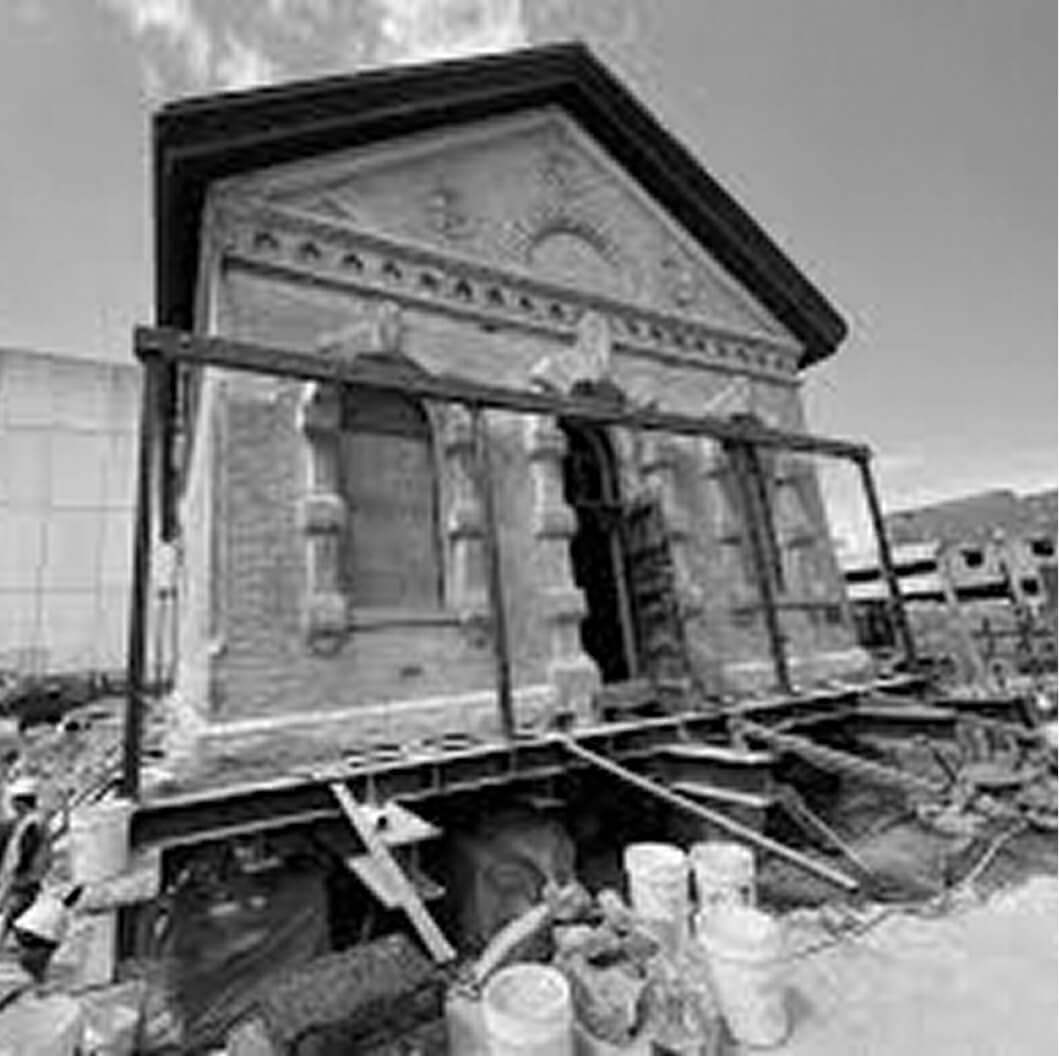
Au cœur de la transformation du site se trouve le bureau d'état civil de 1873, qui a été déplacé avec soin de 18 mètres vers le nord et réaménagé en café-bistro. Un atrium vitré de trois étages relie sa façade en pierre intemporelle à la tour moderne, faisant de ce bâtiment historique une pièce maîtresse remarquable au sein de l'espace public. Le réaménagement crée également un environnement piétonnier accueillant, articulé autour d'une place paysagée et d'un café-bar animé. Les résidents bénéficieront d’un accès direct au CF Rideau Centre via une passerelle piétonne couverte, alliant style de vie, connectivité et commodité en un lieu unique et inspiré.
Une architecture durable témoigne d'un design intemporel, permettant au patrimoine de trouver sa place dans la vie moderne.